


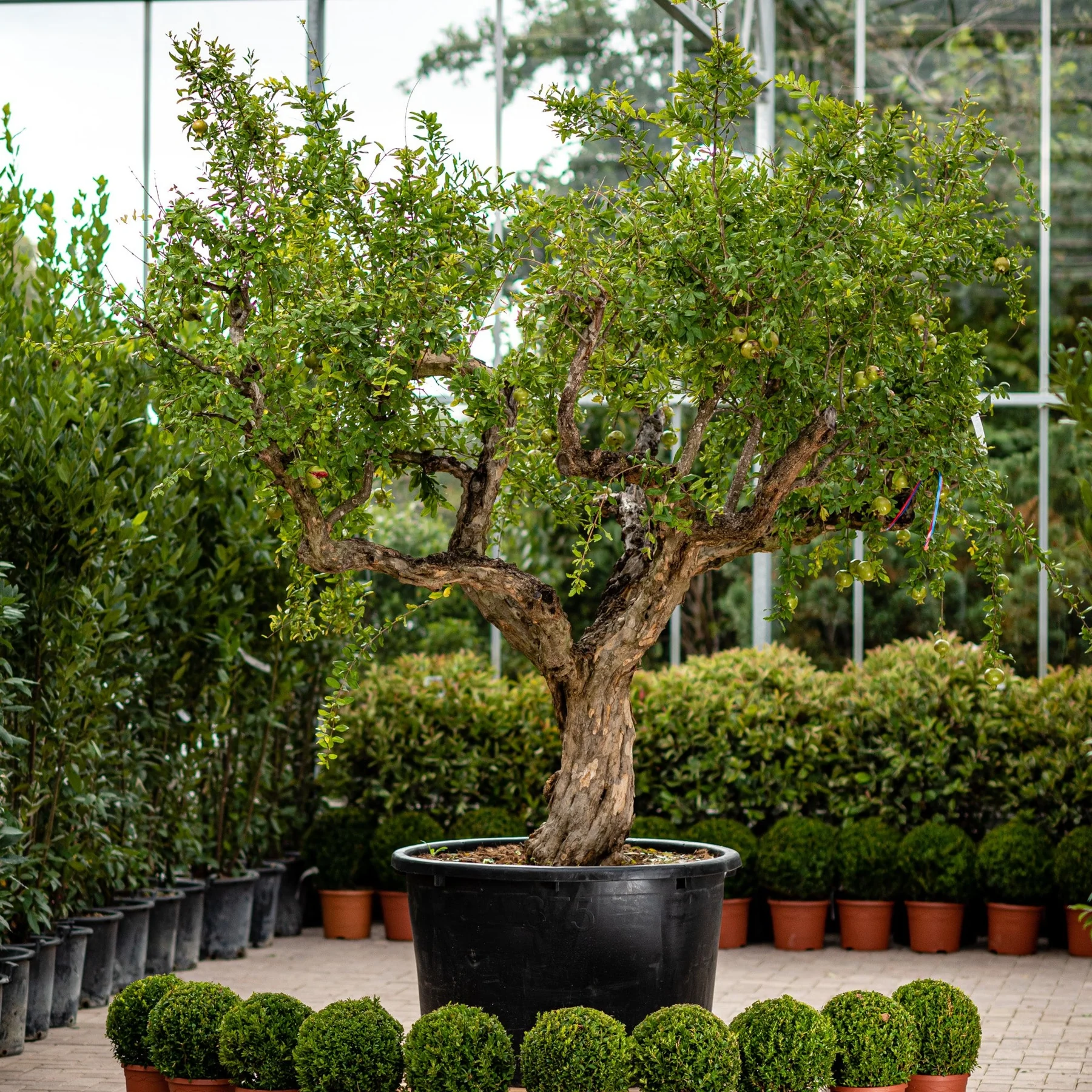
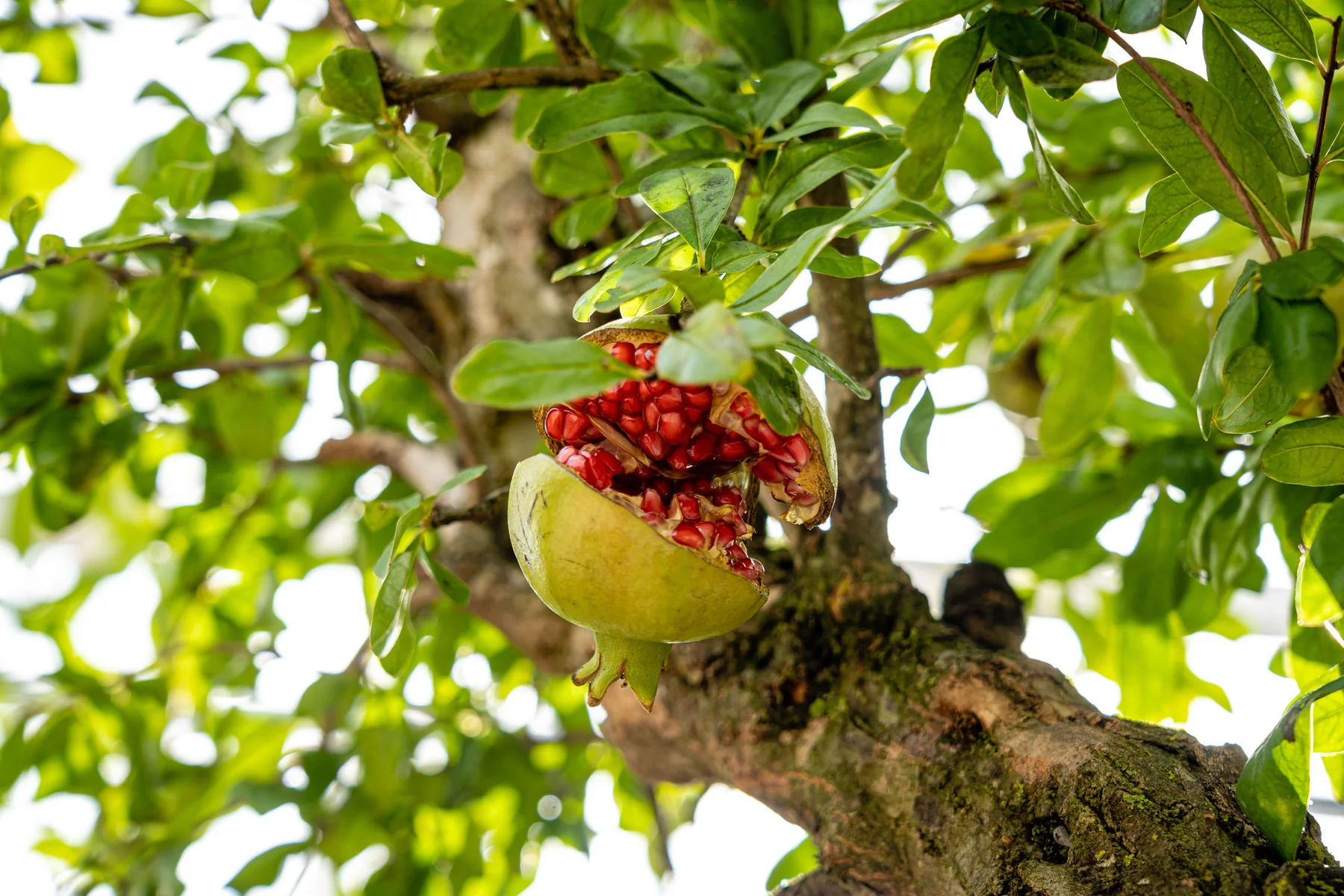


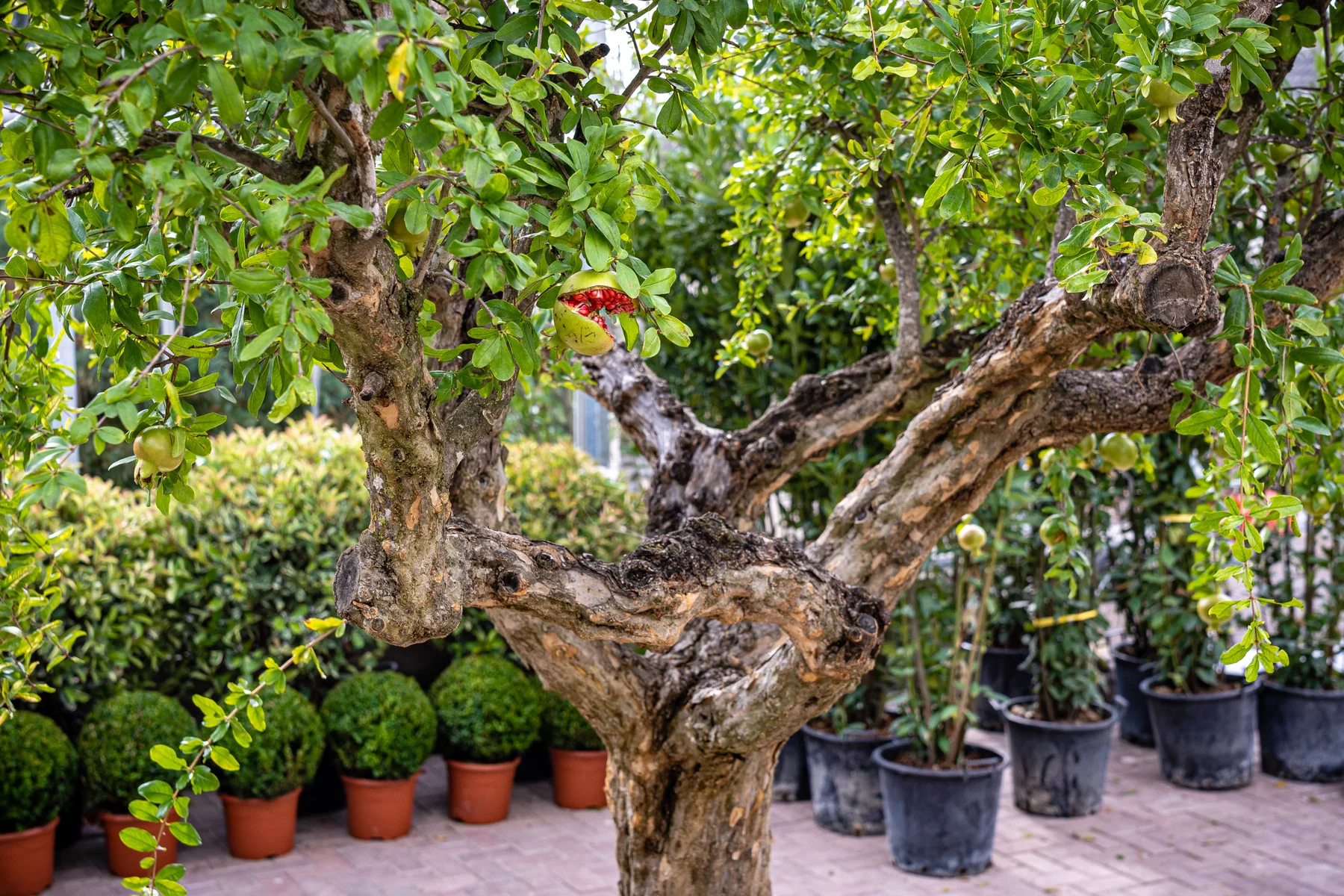
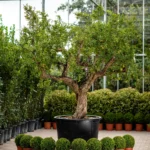


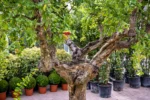


Punica Granatum o Granado
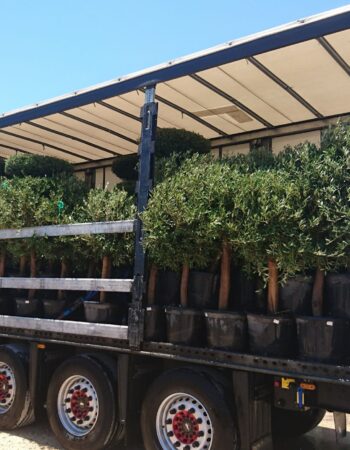
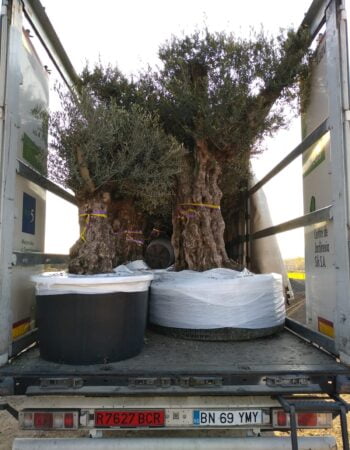
Size and packaging guidelines


Fermentum scelerisque hendrerit parturient nullam enim lobortis litora parturient dictumst.

Potenti a quisque tincidunt venenatis adipiscing parturient fermentum nisl tincidunt amentu.

Scelerisque conubia lobortis a condimentum ad eleifend dui integer maecenas habitant nostra.
| Specification | Chair | Armchair | Sofas |
| Height | 37" | 42" | 42" |
| Width | 26.5" | 32.5" | 142" |
| Depth | 19.5" | 22.5" | 24.5" |
| Assembly Required | No | No | Yes |
| Packaging Type | Box | Box | Box |
| Package Weight | 55 lbs. | 64 lbs. | 180 lbs. |
| Packaging Dimensions | 27" x 26" x 39" | 45" x 35" x 24" | 46" x 142" x 25" |
- Botanical Name: Punica granatum
- Common Names: Pomegranate, Granado
- Mature Height: 10-20 feet (3-6 meters) can be pruned to a smaller size
- Mature Spread: 10-15 feet (3-4.5 meters)
- Growth Rate: Moderate
- Light Requirements: Full sun
- Soil Requirements: Well-draining soil; tolerates poor soils; prefers slightly acidic to neutral pH
- Water Needs: Moderate; drought-tolerant once established
- Foliage: Deciduous, glossy, dark green leaves that turn yellow in fall
- Flowers: Bright, trumpet-shaped flowers in shades of orange to red, blooming from late spring to summer
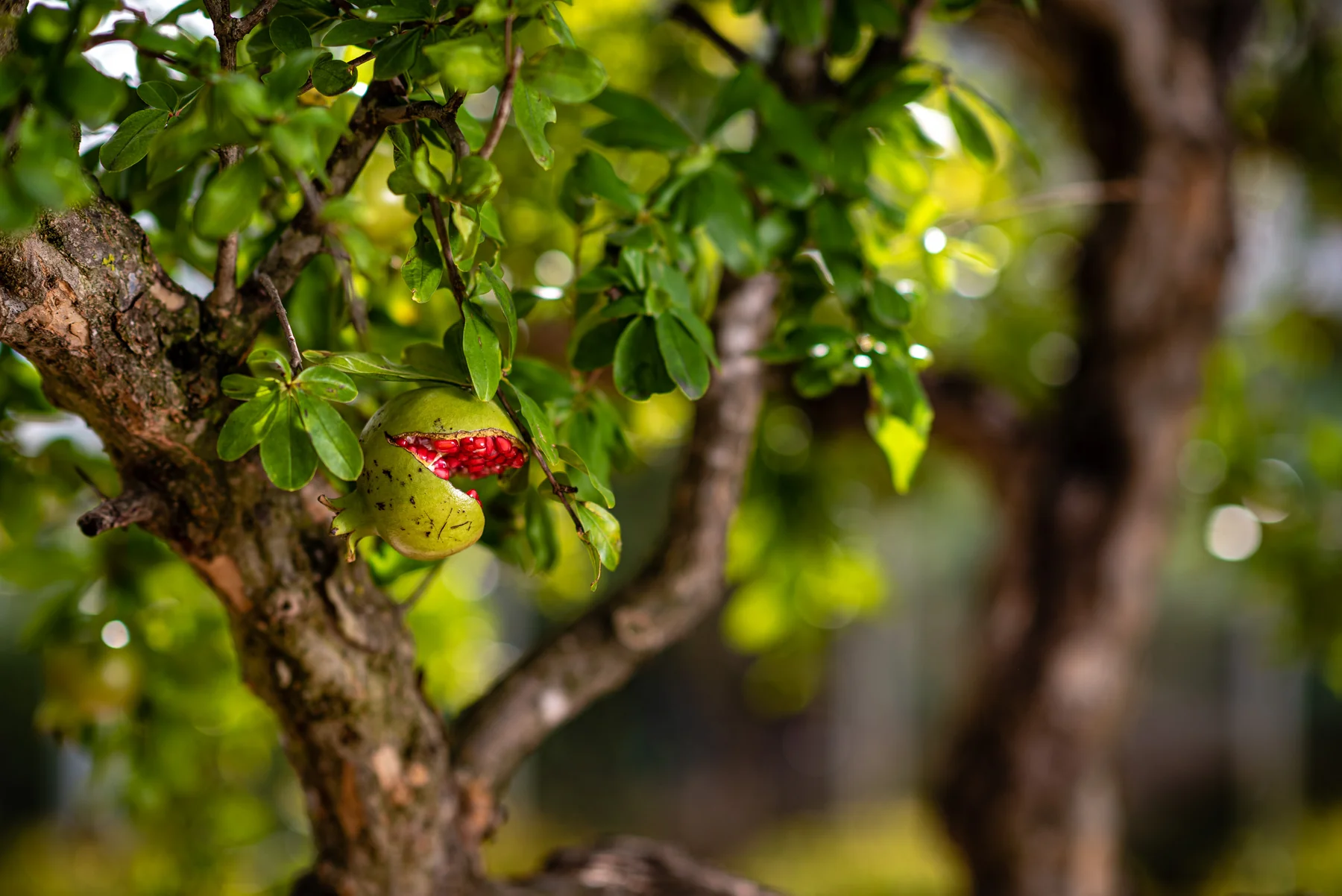
- Fruit: Round, leathery-skinned fruit filled with juicy, ruby-red seeds, typically ripening in late summer to fall
Uses:
- Ornamental: The Pomegranate’s vibrant flowers and fruit make it an attractive addition to garden beds, landscapes, and as a specimen plant.
- Fruit Production: Pomegranates produce edible fruit that can be eaten fresh, juiced, or used in cooking and baking.
- Culinary: Pomegranate seeds are used in salads, sauces, and as a garnish, while the juice is a popular beverage.
Benefits:
- Nutritional Value: Pomegranate seeds are rich in vitamins, antioxidants, and fiber, offering numerous health benefits.
- Aesthetic Appeal: The plant’s bright flowers and ornamental fruit enhance the beauty of gardens and landscapes.
- Drought Tolerance: Once established, Pomegranates are drought-tolerant, making them suitable for low-water gardens.
- Fruit Production: Provides a bountiful harvest of nutritious fruit, adding variety and flavor to meals.
Punica granatum, or Pomegranate, is a versatile and attractive plant that offers both ornamental beauty and valuable fruit. Its vibrant flowers, drought tolerance, and nutritional benefits make it a great addition to any garden or landscape.
Debes acceder para publicar una valoración.
Below, you’ll find key tips tailored to this species’ requirements. Whether you’re new to plant care or have plenty of experience, these guidelines are here to support you in keeping your green companion healthy and vibrant.
- Planting:
- Choose a location with full sun and well-draining soil. Pomegranates thrive in hot, sunny climates.
- For container planting, use a pot with drainage holes and a well-draining potting mix.
- Watering:
- Water regularly during the growing season to keep the soil moist, but allow it to dry out slightly between waterings.
- Once established, Pomegranates are drought-tolerant and require less frequent watering.
- Pruning:
- Prune in late winter or early spring before new growth begins to maintain shape and remove any dead or damaged branches.
- Regular pruning helps improve air circulation and encourages better fruit production.
- Fertilizing:
- Apply a balanced, slow-release fertilizer in early spring to support healthy growth and fruit development.
- Avoid excessive fertilization, which can lead to excessive foliage growth at the expense of fruit.
- Pest and Disease Control:
- Monitor for pests such as aphids, scale insects, and pomegranate worms.
- Treat infestations with insecticidal soap or neem oil as needed.
- Ensure good air circulation around the plant to prevent fungal diseases.
*This information is provided for informational purposes only. For more detailed care, please consult a professional Gardener or Arborist.




 Single Tree
 Packs
Packs Trolley
 Supplements
Valoraciones
No hay valoraciones aún.